
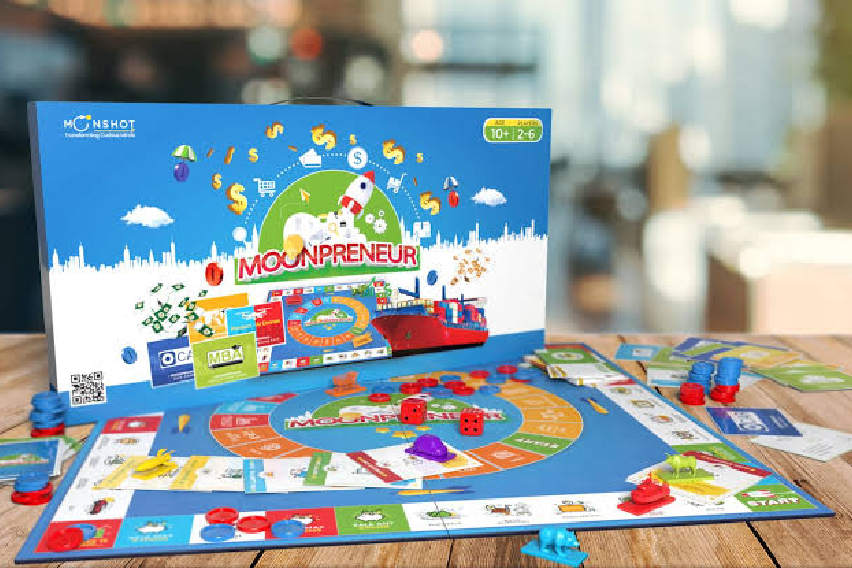
Moonpreneur’s strongest documented strength is engagement: kids genuinely look forward to class. The ed-tech platform holds a 3.9 TrustScore from 206 Trustpilot reviews, 63% of them five stars, and parents repeatedly describe excited, curious children. “My son is always excited to attend the class,” wrote one parent. Another said she was “surprised at how much my child has learned,” and a third called the robotics sessions “particularly exciting!” Moonpreneur is a Milpitas, California-based hybrid ed-tech company for ages 7 to 18. It combines live instructor-led classes with an AI-assisted learning platform and real hardware kits shipped home. What sets it apart from typical coding apps is the blend of STEM and entrepreneurship. Students build robots and games, present them at quarterly Show & Tell sessions, and can pitch ideas in the brand’s MoonBattle competitions, which the company frames as Shark Tank-style. The company says it has taught over 66,000 students and runs free in-person workshops in hundreds of cities across the U.S., U.K., Canada, Australia and Europe.
The programs are broad. Robotics, for ages 7 to 18, runs in four tiers, each with 52 interactive sessions: Foundation Builders (7–8), Code Commanders (8–10), Innovation Masterminds (11–14) and Advanced Robotics & IoT (13+). Students progress from block coding on BBC Micro:bit to Python, Raspberry Pi Pico circuits, Moonrover and Moonkart cars, and NodeMCU IoT builds. Advanced Math covers grades 2 to 8, with mental and Vedic math plus optional AMC 8 and Math Kangaroo prep. Other tracks include Game Development (Scratch, then JavaScript or Python), Reading & Writing Comprehension (ages 8–12), STEM Debate (ages 8–15), Financial Literacy, Product Design, IoT, college admission support and a pre-incubator. A typical plan includes 1.5 hours a week of instruction plus a monthly 1.5-hour Power Skills session. Pricing starts around $99 a month, and yearly plans save over 25%. Moonpreneur quotes an effective rate of $8.50 an hour for Robotics + Math and $18.90 an hour for Game Development. STEM Debate costs $59 for the first month and then $149 a month for six months. There’s a one-time non-refundable registration fee, and trial classes have reportedly cost about $19.
The programs are broad. Robotics, for ages 7 to 18, runs in four tiers, each with 52 interactive sessions: Foundation Builders (7–8), Code Commanders (8–10), Innovation Masterminds (11–14) and Advanced Robotics & IoT (13+). Students progress from block coding on BBC Micro:bit to Python, Raspberry Pi Pico circuits, Moonrover and Moonkart cars, and NodeMCU IoT builds. Advanced Math covers grades 2 to 8, with mental and Vedic math plus optional AMC 8 and Math Kangaroo prep. Other tracks include Game Development (Scratch, then JavaScript or Python), Reading & Writing Comprehension (ages 8–12), STEM Debate (ages 8–15), Financial Literacy, Product Design, IoT, college admission support and a pre-incubator. A typical plan includes 1.5 hours a week of instruction plus a monthly 1.5-hour Power Skills session. Pricing starts around $99 a month, and yearly plans save over 25%. Moonpreneur quotes an effective rate of $8.50 an hour for Robotics + Math and $18.90 an hour for Game Development. STEM Debate costs $59 for the first month and then $149 a month for six months. There’s a one-time non-refundable registration fee, and trial classes have reportedly cost about $19.
The honest caveat: 23% of Trustpilot reviews are one-star, and they center on cancellations, refunds and pushy sales. One parent said she “was met with aggressive techniques to not cancel and ultimately wasn’t given refund.” Another alleged the company advertises in-person events and “then they cancel a few days ahead.”
✅ 3.9 TrustScore from 206 Trustpilot reviews, with 71% rated four or five stars
✅ Live, instructor-led classes rather than pre-recorded videos
✅ Real hardware kits, including BBC Micro:bit, Raspberry Pi Pico, NodeMCU and robot cars
✅ A four-tier robotics path from age 7 to advanced IoT for teens
✅ Effective cost as low as $8.50 an hour on the Robotics + Math plan
✅ Pricing starts around $99 a month, with 25%+ savings on yearly plans
✅ After-class feedback: one parent said the team “always gives feedback after everY class”
✅ Quarterly Show & Tell builds presentation confidence and a project portfolio
✅ Entrepreneurship angle through MoonBattle pitch competitions and a pre-incubator
✅ Class recordings available, according to multiple parents
✅ Responsive fixes: one parent said “the management immediately addressed the issue”
✅ Broad catalog, including math, debate, game development, reading and financial literacy
❌ 23% of Trustpilot reviews are one-star, citing refunds and cancellations
❌ Some parents describe aggressive sales follow-ups and cancellation pushback
❌ Non-refundable registration fee
❌ Instructor turnover during the year, according to some parents
❌ Moonpreneur replies to only 19% of negative reviews
❌ Some Trustpilot entries appear to be employee or template-style reviews
❌ Allegations of last-minute cancellations of advertised in-person workshops
We analyzed Moonpreneur’s Trustpilot profile (206 reviews, a 3.9 TrustScore, 63% five-star and 23% one-star) across several country versions. We also reviewed its official program and pricing pages, and public parent discussions on Reddit and other forums. Trustpilot notes that Moonpreneur invites reviews, pays for a Trustpilot subscription and has replied to only 19% of negative reviews. A few reviews on its profile read like employee or template submissions, so we weighed detailed parent accounts more heavily. GlossGirly has no commercial relationship with Moonpreneur that affects this verdict.
Moonpreneur’s curriculum is more ambitious than most kids’ coding platforms. The robotics track is the centerpiece. Younger students start with block-based MakeCode on BBC Micro:bit, then move into Python with servo motors and sensors. Older students build line-following and obstacle-avoiding Moonkart cars, design circuits on Raspberry Pi Pico, and create app-controlled IoT prototypes on NodeMCU. Real hardware ships home at each stage, and the in-house MoonTinker simulator fills the gaps. Every quarter, students present their builds at Show & Tell, which turns coding into communication practice. The math program focuses on number sense, Vedic shortcuts and word problems rather than drilling, with optional competition prep. Classes are cohort-based and live. In one public parent discussion, a parent reported a robotics class of about five kids, which is a manageable size for asking questions. The “AI-powered personalized path” is mostly a progress-tracking layer, and parents should think of Moonpreneur as live small-group classes with kits and a dashboard.
Lorem ipsum dolor sit amet, consectetur adipiscing elit. Ut elit tellus, luctus nec ullamcorper mattis, pulvinar dapibus leo.The strongest pattern in parent reviews is enthusiasm. Kids look forward to class, talk about what they built, and in some cases move up from robotics into app development. Parents praise patient instructors, homework and revision quizzes, and a progress dashboard. One reviewer especially valued the prompt feedback after each class. Others noticed growth in presentation skills alongside coding. There are softer spots, though. A four-star parent observed that kids “do their home work for few min and that’s it” for the rest of the week, and wished teachers would encourage more independent exploration. Another found the Power Skills sessions “a little repetitive” and wanted a clearer syllabus. Several families mentioned instructors changing during the year, and one parent said their child struggled with an instructor’s accent before management stepped in. A Reddit parent also said a robot project started before the kit had arrived. Overall, results look good for engaged kids with some support at home.
The negative reviews are serious and consistent enough to take seriously. Several parents describe trouble canceling, ranging from pressure to stay to refunds that were slow or never came. Others report enrolling, paying and then being unable to book a class or get replies from support or instructors. Some say their child was removed from a class without notice after they disputed a charge. Another theme is the free in-person “workshop.” Moonpreneur advertises these in many cities, and some parents enjoyed them and received STEM toys. Critics, though, say the events work mainly as sales funnels, and a few report last-minute cancellations. One reviewer warned about relentless follow-ups after sharing contact details. Trust signals are mixed, too. At least one five-star Trustpilot review praises the “work environment” like an employee review, and another reads like a pasted template. The company’s homepage testimonial carousel even includes a review of a café. None of this means the classes are bad, but it means you should read every term before paying.
On paper, Moonpreneur is competitively priced. Plans start around $99 a month for 1.5 hours a week of live instruction plus monthly Power Skills, and the brand quotes $8.50 an hour effective for Robotics + Math and $18.90 an hour for Game Development. Yearly plans save over 25%. STEM Debate costs $59 for the first month and then $149 a month for six months, and Financial Literacy costs $39 for the first month and then $149 a month. Hardware kits are included as part of the curriculum. Compared with private robotics academies, which one industry comparison put at roughly $259 to $297 a month, that’s strong value. Several parents call the price reasonable, while one Reddit parent felt the program was still expensive. The policies are the weak spot. The registration fee is non-refundable, cancellations can be contentious, and support response times vary. Moonpreneur also lists ESA funding options on its site, which may help eligible families. Our advice is to start with the trial, avoid locking into a yearly plan at first, get the cancellation terms in writing, and pay by card so you have dispute protection.

This is the flagship: 1.5 hours a week of live, instructor-led robotics plus a monthly Power Skills session. It runs in four tiers of 52 sessions each, from block coding on BBC Micro:bit to Python, Raspberry Pi Pico circuits, autonomous robot cars and app-controlled IoT builds. Hardware kits ship home, and every quarter ends with a Show & Tell presentation. One homeschooling parent said her son “enjoyed learning how to program and build things with the robotic kit,” though she wished for earlier class times. It’s best for kids aged 7 to 18 who like building things. Confirm that the kit will arrive before the first project starts, and ask about instructor continuity.
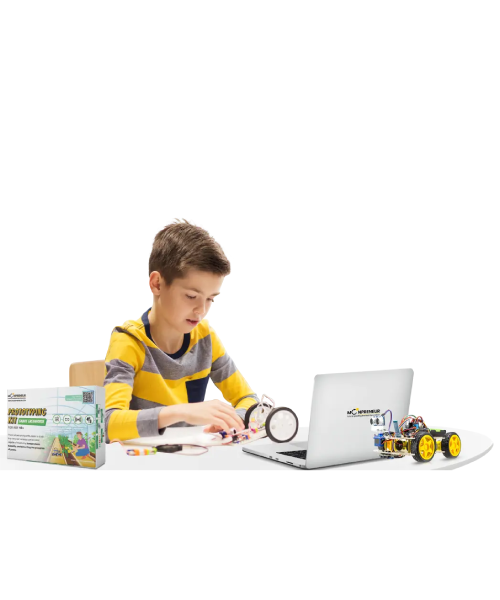
This is the best value in the lineup. It combines full Robotics and full Advanced Math tracks into one coordinated schedule: 1.5 hours a week of each, plus monthly Power Skills and optional competition math prep. Math concepts such as angles, ratios and logic show up inside the robotics builds, so kids see them applied right away. One parent said his son is “engaged and excited to participate in the robotic and math sessions.” It’s ideal for ages 7 to 14 and for families who want a complete after-school STEM plan. Before enrolling, make sure two weekly sessions fit your schedule and that you understand the cancellation terms for bundled plans.
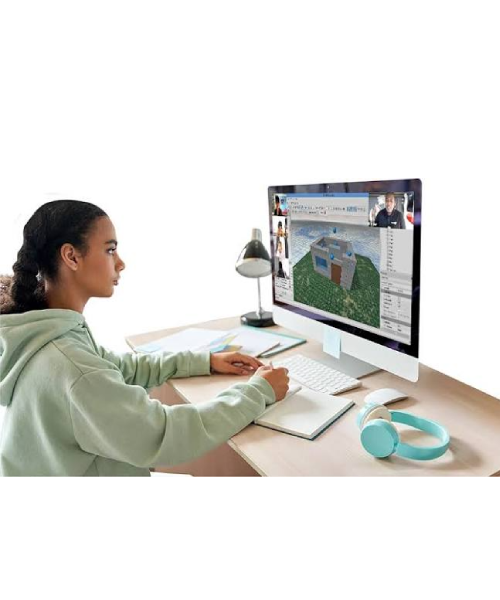
Game Development turns gamers into creators. Kids start with Scratch to learn game logic, including sprites, animation, scoring and physics, then move on to JavaScript and Python game frameworks. Each unit ends with an original, playable game that kids can share with family. It runs 1.5 hours a week plus monthly Power Skills. It’s best for screen-loving kids aged 7 to 18 who might resist “robotics” but light up at making their own games. The effective hourly rate is higher than Robotics + Math, so compare it with self-paced alternatives if your child is highly independent.
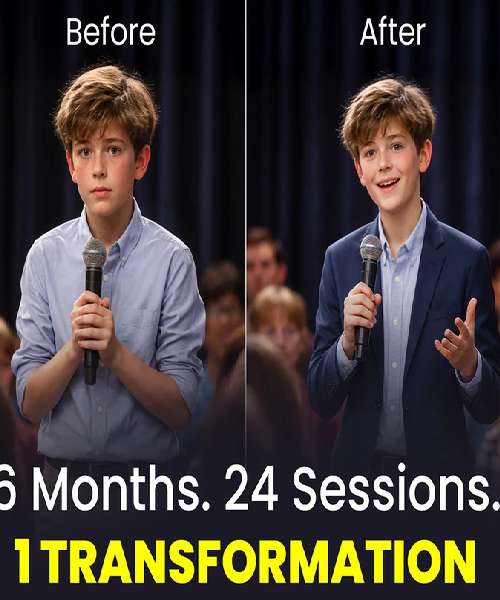
STEM Debate is a six-month program for ages 8 to 15, with 90-minute classes built around real tech topics such as AI ethics, biotech, space and climate. Students learn argument structure, research and fact-checking, rebuttals and stage presence. The program ends with an Expert Panel Discussion Event and a Mini Debate League. One parent reported “a very positive improvement in our child regarding her presentation skills.” It’s ideal for kids who are bright but quiet, or who are aiming for competitive programs later. Check the total cost across all six months before committing, since the low first-month price steps up afterward.
“Great programs with Moonpreneur for inquisitive kids preparing them for their future.” — Sravan, Trustpilot reviewer (US, 5 stars, Moonpreneur programs)
“Great programs with Moonpreneur for inquisitive kids preparing them for their future.” — Sravan, Trustpilot reviewer (US, 5 stars, Moonpreneur programs)
“The instructors made concept really easy to understand. Learning is fun here.” — Vivek Jadon, Trustpilot reviewer (India, 5 stars, Moonpreneur classes)
“The instructors made concept really easy to understand. Learning is fun here.” — Vivek Jadon, Trustpilot reviewer (India, 5 stars, Moonpreneur classes)
“THEY WILL STALK YOU!! DO NOT GIVE THEM YOUR INFORMATION!!!” — Summer, Trustpilot reviewer (US, 1 star, Free workshop sign-up)
Moonpreneur is worth it for families who want live, hands-on robotics, coding and math with real hardware at a lower hourly cost than private academies, especially kids aged 7 to 14 who love building things. Go in carefully. Start with a trial, pay monthly before considering yearly, and read the cancellation and refund terms closely, keeping copies of every email. If your child thrives after a few months, the Robotics + Math combo is the best long-term value.
Feature | Moonpreneur | Create & Learn | Code Ninjas | iD Tech | Juni Learning | Tynker |
Format | Live online small groups plus kits | Live online small groups | In-person franchise centers | Camps and private lessons | Live online tutoring | Self-paced app |
Ages | 7–18 | Kids and teens | Kids and teens | Kids and teens | Kids and teens | Kids |
Price level | About $99/month and up | Mid | Mid to premium | Premium | Premium | Budget |
Hardware kits | Included (Micro:bit, Pi Pico, IoT) | Varies | On-site equipment | Varies | Limited | No |
Entrepreneurship focus | Strong (MoonBattle, pre-incubator) | Limited | Limited | Limited | Limited | None |
Trustpilot rating | 3.9 (206 reviews) | Not checked | Not checked | Not checked | Not checked | Not checked |
Yes. Moonpreneur is a real U.S.-based ed-tech company with live classes and thousands of students. But 23% of its Trustpilot reviews are one-star, mostly over cancellations and refunds, so read the terms before you pay.
Plans start around $99 a month. Robotics + Math works out to about $8.50 an hour, and STEM Debate costs $59 for the first month, then $149 a month, plus a non-refundable registration fee.
Yes. Hardware such as the BBC Micro:bit, robot cars, Raspberry Pi Pico and NodeMCU boards ships home as part of the curriculum.
Policies vary by plan, and some parents report difficulty canceling. Choose monthly billing first and get cancellation terms in writing
Ages 7 to 18 for most programs. Math covers grades 2 to 8, and STEM Debate covers ages 8 to 15.
Moonpreneur offers something many online coding platforms don’t. Its live, small-group classes are paired with real hardware kits, a clear four-tier robotics path, solid math, and an entrepreneurship layer that gets kids presenting and pitching what they build. Parent reviews are full of excited children, patient instructors and visible progress, and at an effective $8.50 to $18.90 an hour, the pricing beats many private academies.
The business side needs work. Cancellation and refund complaints, aggressive follow-ups, non-refundable fees, instructor turnover and a few suspicious-looking reviews pull the score down. Moonpreneur’s low reply rate to negative reviews doesn’t help either. Start with the trial, stay on monthly billing until you’re confident, and document everything. Handled that way, Moonpreneur can be a genuinely good STEM investment for curious kids.
Category | Score |
Curriculum Breadth | 9.0/10 |
Price per Hour | 8.8/10 |
Hands-On Hardware | 8.5/10 |
Instructor Quality | 8.0/10 |
Instructor Consistency | 6.5/10 |
Customer Support | 5.5/10 |
Review Credibility | 5.5/10 |
Billing & Cancellation | 5.0/10 |
Overall | 7.0/10 |