
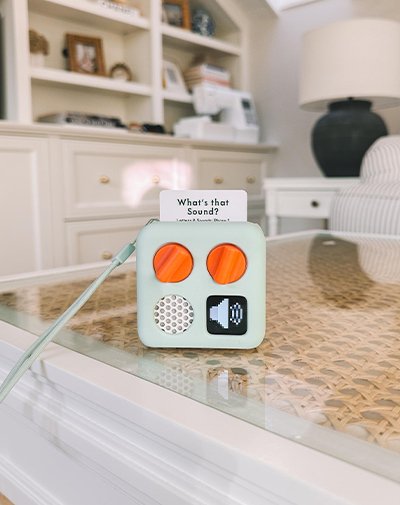
If you are looking for a kid-friendly audio device that feels safer and calmer than a tablet, this Yoto Player Review gets straight to the point. Yoto positions the Yoto Player as a screen-free audio system for children ages 3–12+, built around stories, music, activities, podcasts, radio, and learning content delivered through physical cards and app-connected features. The brand’s pitch is simple and smart: no camera, no microphone, no ads.
That pitch is a big part of why parents keep returning to Yoto. It is not trying to be an all-purpose entertainment device. It is trying to give kids independence, routine, and engaging audio without handing them a distracting screen. That alone makes it stand out in a crowded kids-tech market.
My short take is that Yoto works especially well for families who want stories, quiet time, bedtime support, and travel-friendly audio without constant parental micromanagement. It is not the cheapest ecosystem once you add cards and accessories, but it looks genuinely well thought-out, and customer feedback remains strong overall.
Highlights
- Strong screen-free concept that feels genuinely different from handing over a tablet
- No microphone, no camera, and no ads is one of Yoto’s best parent-facing features
- Great fit for kids who love stories, music, bedtime audio, and routine-based listening
- Yoto grows well with age, from toddler audio to tween audiobooks and playlists
- Make Your Own cards are one of the platform’s smartest and most flexible features
- Yoto Club adds a lot of value if you expect to build a larger card library
- Yoto Player is best for home use, while Yoto Mini is the more travel-friendly sibling device
- Customer sentiment is strong overall, especially around content variety and how much kids actually use it
- The biggest drawback is cost creep once you add cards, bundles, and accessories
- Best for families who want calmer, audio-led entertainment and less screen time
Why You Should Trust Us
This review is based on Yoto’s official product pages, club and app information, accessories and Make Your Own pages, plus current customer feedback. The main testing criteria here were screen-free usability, ease of use for kids, content flexibility, bedtime and routine features, durability, travel practicality, long-term value, and how well the wider Yoto ecosystem supports the core player.
About Yoto
Yoto is a screen-free audio platform for children built around physical cards, connected audio devices, and an app that helps parents manage content and routines. The company’s branding makes it clear that this is meant to be a longer-term ecosystem rather than a one-off gadget purchase. Its own messaging says Yoto can grow with children from first words to first playlists, which is a smart way of framing both the product and the library.
What Yoto is best known for is making children’s audio feel more independent and less passive. Kids can insert a card and start listening on their own, while parents get a more controlled and lower-stimulation alternative to smartphones and tablets. That is probably the biggest reason the brand has built such a loyal audience.
Who is Yoto for? Mainly families with kids who enjoy stories, music, bedtime sounds, or learning audio, especially if parents want to reduce screen exposure without eliminating entertainment entirely. It also makes a lot of sense for grandparents and gift buyers because the use case is easy to understand.
Yoto Player Review
The Yoto Player is one of those products that makes more sense the longer you think about the problem it solves. It is not just “an audio device for kids.” It is an attempt to give children more control over what they listen to while keeping the environment safer, simpler, and less addictive than mainstream screen-based tech. On that core mission, Yoto looks genuinely strong.
Quality & Build / Materials
The Yoto Player is designed as a durable home-focused device for kids ages 3–12+. The official positioning emphasizes kid-friendly build, safe design, and easy independent use. While Yoto does not market it like rugged hardware, the broader product ecosystem, especially the Adventure Jacket, suggests durability is a meaningful concern and something the company actively supports.
Key Features
This is where Yoto is strongest. The Yoto Player supports stories, music, learning content, podcasts, sound effects, and radio. It also connects to the Yoto app, which adds bedtime routines, timers, night-light controls, free sleepy audio, clock settings, and library management. The device remains ad-free and avoids onboard cameras or microphones, which is a huge plus for privacy-conscious parents.
Performance / Real-World Use
In real life, Yoto seems to shine most in daily routines: quiet play, bedtime, independent morning listening, and car-trip preparation when paired with cards kids already know. It is especially appealing because children can operate it themselves without being pushed into a more chaotic visual environment. Customer reviews repeatedly describe kids using it every day, taking it on trips, and becoming more engaged with books and stories through audio.
Ease of Use
Ease of use is one of Yoto’s clearest wins. The card system is intuitive for children, and the app appears to add a lot without making the product feel overly parent-controlled. The Make Your Own feature is particularly smart because it gives families a way to create custom content, playlists, grandparent recordings, or replacement cards in a way that stays simple.
Maintenance / Care
There is not much “maintenance” in the traditional sense, but accessories matter. The Adventure Jacket for Yoto Player exists specifically to protect the device from bumps and daily wear, which tells you Yoto expects real kid use rather than decorative shelf use. If you are buying for younger children, I would treat the protective jacket as a near-essential add-on rather than an optional extra.
What I Like
I like that Yoto feels deliberate. The no-camera, no-mic, no-ads approach is not just a slogan; it shapes the whole product. I also like that the ecosystem has room to grow through Make Your Own cards, Yoto Club savings, and a broad age range. It feels less disposable than many kid-tech products because it can evolve with the child.
What I Don’t Like
The main downside is cost layering. The player itself is one purchase, but the real experience often expands into cards, club membership, accessories, and possibly a second device like Yoto Mini for travel. Some customer comments also suggest that support and site navigation are not always perfect, even if the overall satisfaction level remains high.
Price & Value
In pure budget terms, Yoto is not cheap. But in value terms, it has a strong argument because it combines a reusable device, a flexible content system, and genuinely lower-screen engagement. Families that use it regularly are likely to feel it earns its place. Families who buy only the player and rarely build the library may feel less convinced.
Best-Selling Products from Yoto
Yoto’s official site highlights a handful of core products repeatedly across its home, player, bundle, accessory, and featured pages. Based on the current official storefront, these five stand out most clearly as the brand’s strongest anchor products: Yoto Player, Yoto Mini, Make Your Own Cards, Adventure Jacket (3rd Generation), and Yoto Club.
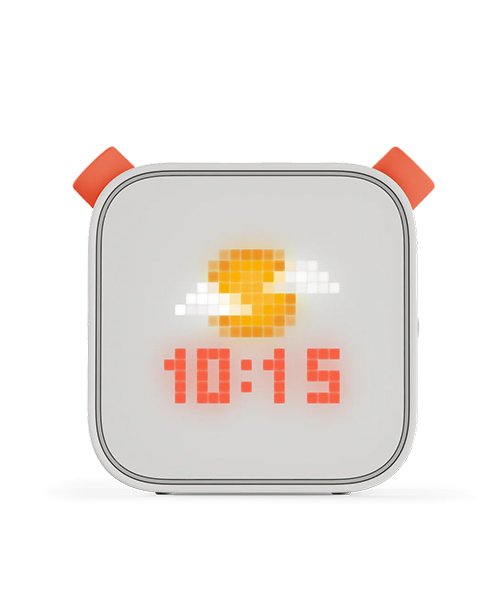
Best for: Families who want the full home-based Yoto experience with the most complete feature set.
- Screen-free audio for ages 3–12+
- No microphone, no camera, no ads
- Built for stories, music, learning, podcasts, radio, and more
One honest drawback: It is more of an around-the-home device than the most portable choice in the lineup.
Mini verdict: The best core purchase if you want the main Yoto experience and expect your child to use it regularly.
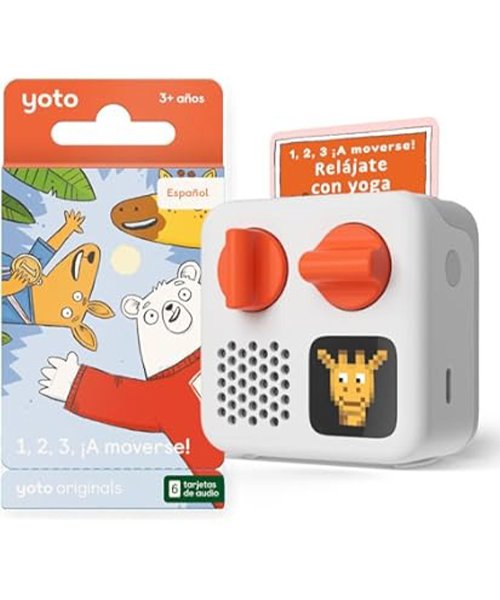
Best for: Travel, car rides, waiting rooms, and kids who want Yoto on the go.
- Compact, travel-friendly design
- Up to 14 hours play per charge in the Mini Starter Bundle description
- Same no-mic, no-camera, no-ads philosophy as the larger player
One honest drawback: It is more portable, but the smaller format may be less ideal as the main room device for some families.
Mini verdict: The smartest add-on or alternative if portability matters as much as the content.
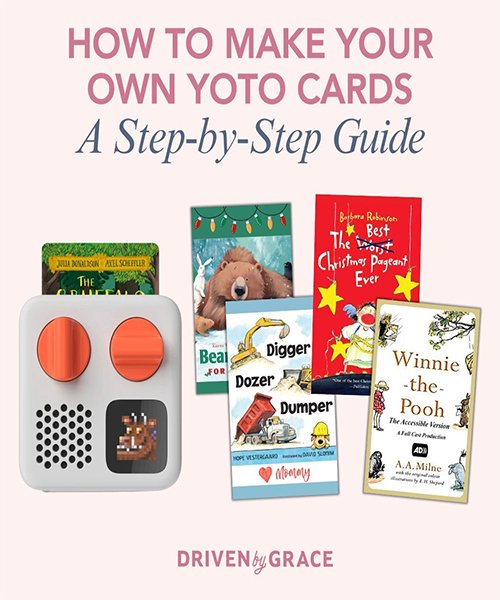
Best for: Families who want maximum flexibility and personalized content.
- Can be edited as many times as you like
- Lets you add music files, radio, recordings, or library content
- A blank Welcome Card comes with every Yoto Player or Yoto Mini
One honest drawback: The value depends on how creative or hands-on you are as a parent or family. If you never use custom audio, this feature matters less.
Mini verdict: One of Yoto’s most underrated strengths and a big reason the platform feels flexible rather than fixed.
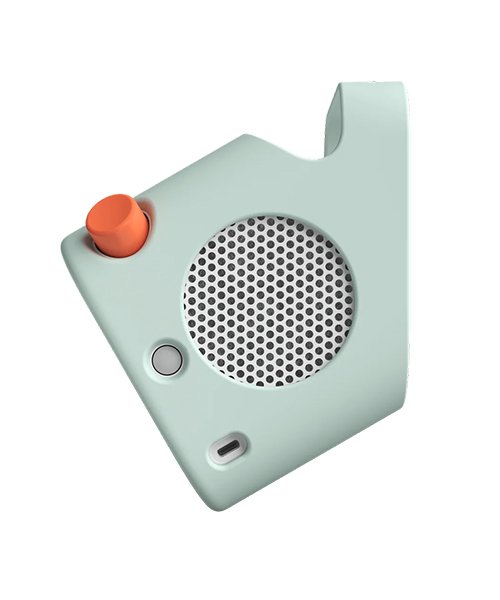
Best for: Younger kids, rougher handling, and anyone who wants extra protection for the Yoto Player.
- Silicone protective carry-coat
- Helps protect against bumps and daily wear
- Makes the Yoto Player easier to carry around
One honest drawback: It is another extra-cost item in an ecosystem that already adds up quickly.
Mini verdict: Not glamorous, but very practical—especially for active kids.
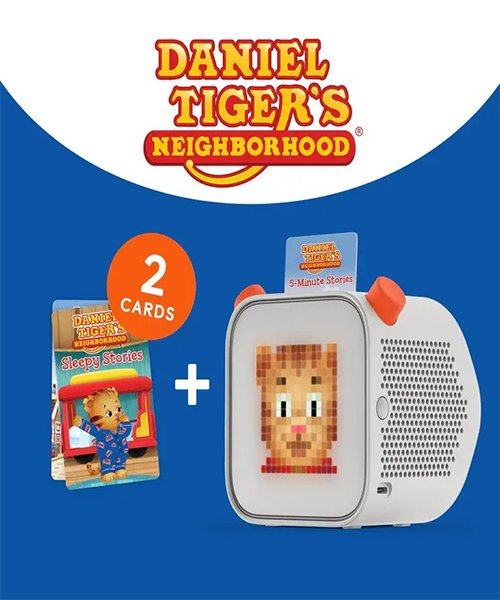
Best for: Families who know they are going to buy multiple cards and want better long-term value.
- Savings on 850+ Yoto Cards with Club Credits
- Includes big brands like Disney, Roald Dahl, and Marvel
- Helps reduce the cost of building a larger content library
One honest drawback: Club value depends on continued card buying, so casual users may not get the same benefit.
Mini verdict: Very compelling for regular Yoto users and one of the best ways to make the ecosystem feel more affordable over time.
Yoto Player Review: What Do Customers Think?
Customer feedback is strong overall, and the broad themes are very consistent. Parents repeatedly say their kids genuinely love the player, use it regularly, and engage with stories in a way that feels calmer and more independent than screen-based entertainment. Many also mention content variety and the flexibility of Make Your Own cards as major reasons the device stays useful over time.
Another common positive theme is that Yoto seems to help kids enjoy books and listening more generally. That is an important distinction because it makes the device feel educational without being dry or overly school-like. Several reviews also praise customer service when problems are resolved well, though there are some complaints around AI-led support, navigation, or shipping frustrations.
A few short customer sentiment examples, paraphrased:
- Several parents said their children use Yoto every day and love the screen-free format.
- Some reviewers said the player became a gateway into enjoying books and read-along listening.
- Many customers praised the variety of cards and the usefulness of Make Your Own.
- Positive reviews often mention fast delivery and helpful support when replacements were needed.
- A few customers said support felt too email- or AI-led for their liking.
- Some buyers felt the ecosystem could become expensive once cards and accessories were added.
Is Yoto Legit?
Yes, Yoto appears very legitimate. It has established official storefronts, a large product ecosystem, clear help and FAQ sections, club membership infrastructure, and a large body of current customer reviews. The company also publishes product-safety and guarantee information on its official site, which supports its credibility as an established children’s brand.
Is Yoto Player Worth It?
For the right family, yes. Yoto Player looks worth it if you want a lower-screen, audio-first routine that children can use independently. It is especially compelling for bedtime, quiet time, travel prep, story lovers, and kids who respond well to repetition and audio rituals. It becomes less compelling if you are hoping for a very low-cost one-time purchase with no ongoing ecosystem spend.
Yoto Player vs Toniebox
The closest comparison for many families is Toniebox. Toniebox is often stronger on tactile, preschool-friendly character play, while Yoto feels broader, more library-driven, and better suited to growing with older children. Yoto also leans more heavily into flexible content through Make Your Own cards and a wider age-span pitch.
Category | Yoto Player | Toniebox | Who Wins |
Age range feel | Designed to grow from younger kids to tweens | Often feels strongest for younger children | Yoto |
Content flexibility | Strong Make Your Own system and app support | More character-figure based | Yoto |
Travel ecosystem | Yoto Mini is a strong portable option | Portable, but not in the same mini-device way | Yoto |
Simplicity for very young kids | Very good | Often more tactile and instant | Toniebox |
Best for | Families wanting a longer-term audio ecosystem | Families wanting preschool-first tactile play | Depends |
Discounts and Promotions
Yoto regularly promotes bundles, seasonal card offers, Yoto Club savings, and free shipping thresholds. The US storefront currently highlights free shipping over $40 and bundle savings, while Yoto Club positions itself as a way to reduce long-term content costs.
Where Can I Buy Yoto?
The clearest place to buy is the official Yoto website, where you can compare Yoto Player, Yoto Mini, accessories, bundles, cards, and Yoto Club in one place. That also gives you the best view of current promotions, club benefits, and compatibility across the wider ecosystem.
FAQs
Is Yoto Player good for kids?
Yes. It is specifically designed for kids ages 3–12+ and focuses on safe, screen-free audio use.
Is this Yoto Player Review positive overall?
Yes. Overall it is positive on design, content flexibility, and real family use, though more cautious on total ecosystem cost.
Does Yoto Player have a screen?
It uses a very minimal display style, but it is positioned as a screen-free audio platform rather than a tablet-like visual device.
Does Yoto have ads or a microphone?
No. Yoto explicitly says no microphone, no camera, and no ads.
What is the difference between Yoto Player and Yoto Mini?
Yoto Player is positioned as great for around the home, while Yoto Mini is positioned as great for on the go.
Are Make Your Own cards worth it?
For many families, yes. They are editable, reusable, and one of the platform’s most flexible features.
Is Yoto good for bedtime?
Yes. The app highlights bedtime tools like a timer, night-light control, sleepy audio, and clock settings.
Is Yoto Club worth it?
It can be, especially if you plan to buy multiple cards over time and want access to club-credit savings.
Is Yoto expensive?
It can become expensive once you add cards, accessories, and optional membership, even if the core product is strong.
Similar Brands You Might Like
- Tonies
- Lunii
- Moshi
- Storypod
- Audible kids content paired with a simpler speaker setup
Final Verdict + Rating
Yoto Player succeeds because it solves a very modern parenting problem with unusual clarity. It gives children entertainment and independence without pulling them into a high-distraction visual environment. The combination of cards, app tools, no-ads design, and age flexibility makes it one of the most convincing screen-free kids-audio systems available right now.
Its main weakness is not the player itself but the ecosystem math. The more invested you become, the more cards and add-ons you are likely to want. Still, for families that actually use audio as part of everyday life, Yoto looks like a thoughtful, durable, and genuinely loved product rather than a passing trend.
Rating: 9.0/10