
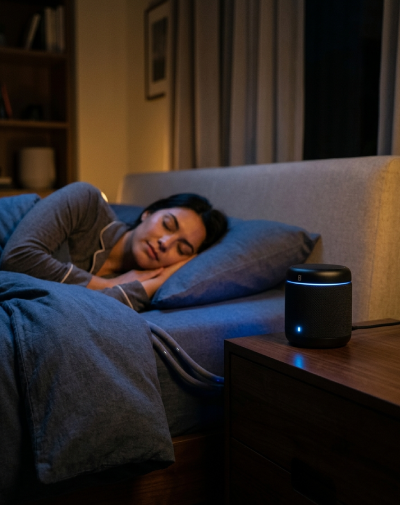
The Eight Sleep pod noise question comes up constantly before purchase, and it deserves a more specific answer than “it sounds like a white noise machine” — which is technically accurate but not particularly useful if you’re a light sleeper deciding whether to run this system six inches from your head every night for years.
Here’s the complete, honest picture based on measured decibel readings, multi-year owner accounts, and direct comparisons against competing systems.
Before getting into how loud it is, it helps to know what’s producing the noise — because Eight Sleep noise actually has two distinct sources that behave differently.
The fans. The Pod 5 hub contains two fans. On moderate cooling settings, only one runs. When you push the system to its coldest settings — maximum cooling on a hot summer night — both fans engage and the noise level increases noticeably. This fan-speed relationship is why Eight Sleep pod noise isn’t a fixed number: it changes throughout the night based on how hard the system is working to hit your target temperature.
The water circulation pump. A quieter, lower-frequency hum from the pump circulating water through the tubing in your cover. This runs continuously whenever the hub is on.
On older generations — the Pod 3 specifically — some owners also reported an occasional dripping sound during active heating or cooling cycles. One four-year Pod 3 owner describes it: “It kind of sounds like water dripping into a puddle. Every time I hear it, it makes me think there’s been a leak or something — there never is.” Eight Sleep made significant improvements here in the Pod 4 and Pod 5, and this specific dripping sound is not commonly reported on current-generation hardware.
This is the part most reviews skip over, but it’s the most useful information for making a real decision.
A detailed independent test measured the Pod 5 hub at 31–32 dBA from one meter away on moderate cooling, with one fan running. That’s the ambient room noise level in a quiet bedroom with the hub operating normally on a typical night.
When both fans engage at maximum cooling, the level rises to the 35–42 dBA range — the upper end comparable to a quiet desktop computer fan or a low-volume white noise machine.
Sound | Approximate dB |
Quiet library | 30 dB |
Eight Sleep Pod 5 (moderate cooling) | 31–32 dB |
Eight Sleep Pod 5 (maximum cooling) | 35–42 dB |
Quiet desktop computer fan | 35–40 dB |
Refrigerator hum | 40 dB |
Quiet conversation | 50–60 dB |
White noise machine (low setting) | 50–65 dB |
The practical takeaway: on a normal night at moderate settings, the Eight Sleep hub is operating near the floor of what most people consider audible in a quiet room. At maximum cooling, it’s still well within the range most people sleep alongside without noticing — roughly the same as a refrigerator in the next room.
The same independent reviewer who measured the Pod 5 at 31–32 dBA also tested the primary competitors under comparable conditions. The Pod 5 measured as the quietest system overall in the comparison, with the ChiliSleep Dock Pro and BedJet 3 both measuring higher — particularly the BedJet, which uses forced air rather than water circulation and is noticeably louder at comparable settings.
This matters for buyers comparing Eight Sleep specifically against ChiliSleep. The Dock Pro is a well-regarded alternative at a lower price point, but the Eight Sleep noise advantage is real and measurable rather than a marketing claim.
Eight Sleep markets the Pod 5 hub as quieter than the Pod 4. The honest assessment from multiple independent owners who have used both: the difference exists but is marginal in real-world use. Most owners who tested both report the two hubs feel essentially the same noise level in practice, even if measured tests show a slight improvement on paper.
One detailed reviewer with experience across multiple Eight Sleep generations puts it directly: “Owner reports put the two hubs’ noise close to identical — this is a polish upgrade, not a revelation.”
If Eight Sleep noise is your primary concern, upgrading from a Pod 4 you already own specifically for the quieter hub won’t meaningfully change your experience. The noise profile is determined more by your cooling intensity settings than by which generation hub you’re running.
The honest answer depends on two things: how light a sleeper you are, and how quiet your bedroom already is.
For most sleepers: No. Multiple independent reviewers who describe themselves as moderately sensitive to sound report adapting to the hub within a few nights — similar to how a new refrigerator hum becomes inaudible after a week. One Pod 5 reviewer: “I found it faded into the background within a few nights, similar to how a white noise machine becomes inaudible after a while.”
For light sleepers in very quiet environments: Possibly, at first. The hub is audible in a genuinely silent bedroom. Multiple independent sources describe it as “noticeable for light sleepers in very quiet environments” — not as a sound that jolts you awake, but as a presence you’re aware of in the way you might be aware of distant traffic or a computer left on in the room.
For extremely light sleepers who already use earplugs: Unlikely to cause problems. At 31–42 dB, the hub is well below the threshold where most earplug users would notice any sound at all.
The most practical solution if you’re concerned: a white noise machine. Multiple reviewers and Eight Sleep’s own guidance both point to this as the standard fix for light sleepers — it masks the hub completely, costs around $30–$50, and most light sleepers benefit from one regardless of whether they own an Eight Sleep. Several reviewers note the white noise machine resolves the hub noise concern “for most people.”
If you add the Eight Sleep Pillow Cover to your setup, you’re running two hubs — one for the mattress cover and one for the pillow. One owner who has tested both describes the combined sound: “I always say the hub sounds like a computer tower fan in maintenance mode, but now you have to double that sound output — it’s louder than just a hum.” The pillow hub also appears to work harder than the mattress hub, since pillow temperatures are typically set colder than mattress temperatures.
If noise is already a concern for you, adding the Pillow Cover to an existing setup will meaningfully increase the total ambient sound level in your bedroom. Factor this in before adding the Pillow Cover specifically for a noise-sensitive setup.
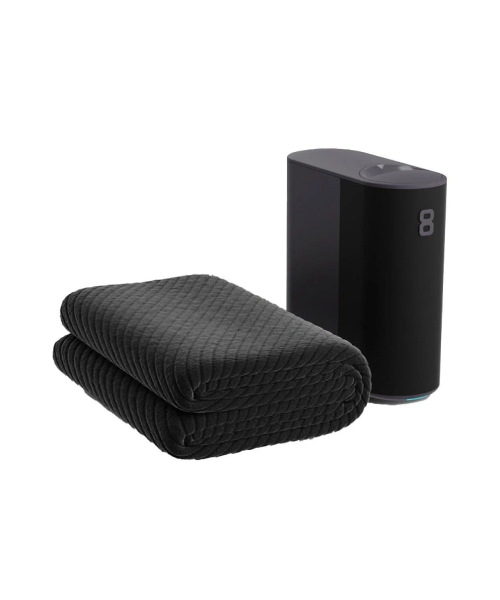
The current flagship. The Pod 5 hub is the quietest Eight Sleep has shipped to date, measured at 31–32 dBA on moderate cooling from one meter away — close to ambient room noise in most bedrooms. Physical temperature buttons on the cover mean you can adjust without reaching for your phone at 3 a.m. Dual-zone control, updated Autopilot AI, and Hub speakers for integrated soundscapes are included. The Pod 5 Core is compatible with the new Eight Sleep Hydro Blanket for buyers who want to add that later.
Best for: First-time Eight Sleep buyers and anyone upgrading from Pod 3 or earlier who wants current hardware with full accessory ecosystem compatibility.
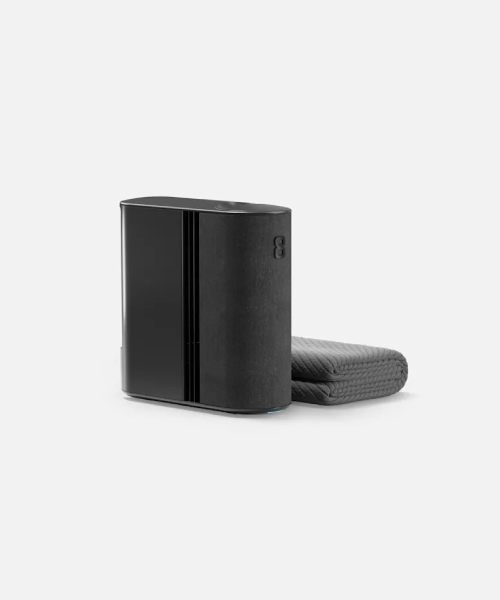
The same core cooling technology as the Pod 5 at a lower price. The hub noise level is marginally higher than the Pod 5 in measured tests, but multiple independent owners report the real-world difference as essentially undetectable. Dual-zone cooling, biometric tracking, and Autopilot are all identical to the Pod 5 experience. Not compatible with the Hydro Blanket if that’s a future consideration.
Best for: Budget-conscious buyers who want the Eight Sleep core cooling experience without paying for the Pod 5’s incremental hardware upgrades, and who don’t anticipate wanting the Blanket.
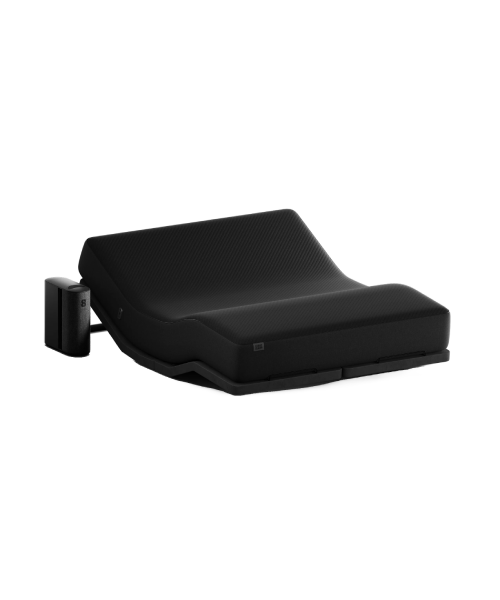
Adds the Hydro Blanket (water-cooled temperature regulation from above the sheets), integrated Hub speakers, and the adjustable Base with automatic snore elevation. Running the full Ultra setup means two water circulation systems operating simultaneously — the cover and the blanket — which produces more combined ambient sound than a single hub. Worth knowing before committing to the Ultra specifically if noise sensitivity is already a concern.
Best for: Hot sleepers who want full-body temperature regulation above and below the sheets, and couples where one partner snores and the automatic elevation feature would address that specifically.
Not an Eight Sleep product, but consistently recommended alongside it — both by Eight Sleep directly and by independent reviewers — for light sleepers concerned about hub noise. A white noise machine at low to moderate volume masks the hub’s 31–42 dB output completely and provides the additional benefit of blocking other environmental noise that might otherwise disrupt sleep. A basic, well-reviewed white noise machine costs $30–$50 and is widely considered the standard, low-cost fix for the hub noise concern.
Best for: Light sleepers, people in apartments with thin walls, and anyone whose bedroom is genuinely silent at night who wants to remove hub noise as a variable entirely.
Situation | Will hub noise be a problem? |
Average sleeper, normal bedroom | Almost certainly not |
Light sleeper with ambient noise already present | Unlikely — hub blends in |
Light sleeper in very quiet bedroom | Possibly at first — adapts within days for most |
Extremely light sleeper using earplugs | No — hub is below earplug threshold |
Running Pod 5 Ultra (two hubs) | More noticeable — white noise machine recommended |
Adding Pillow Cover to existing setup | Meaningfully louder — factor in before purchase |
Eight Sleep pod noise is real, it’s audible in a quiet room, and it’s worth knowing about before you spend $2,500 or more on a system you’ll run every night. It is not, for the large majority of sleepers, loud enough to cause a meaningful problem.
The measured numbers — 31–32 dBA on moderate cooling, 35–42 dBA at maximum — put the hub well within the range that most sleepers either don’t notice or adapt to within a few nights. The solution for the minority of light sleepers who do find it noticeable is a white noise machine, which costs around $40 and resolves the concern entirely for most people.
If you are an extremely light sleeper who currently sleeps in a completely silent room without any white noise or ambient sound, and you’re planning to run the hub at maximum cooling every night — that’s the one specific profile where this deserves genuine, careful consideration before purchase. For everyone else, Eight Sleep noise is unlikely to be the thing that determines whether this system was worth buying.