
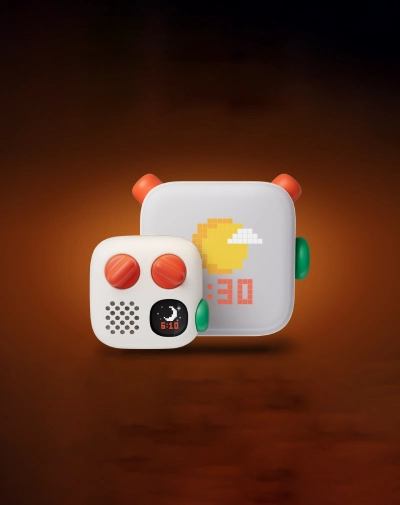
The Yoto Mini has been the travel-friendly little sibling to the full-size Player since it first launched, and the 4th generation model, released September 30, 2026 at $109.99, is the biggest redesign the Mini has ever gotten. That’s $30 more than the outgoing 2024 edition, and unlike past refreshes, this one changes more than just the color lineup — most notably, it adds real water resistance for the first time. Here’s what’s actually different, what stayed the same, and whether the new Mini earns its higher price tag.
Yoto Mini 4th Gen: Key Specs at a Glance
Feature | 2024 Edition | 4th Gen |
Price | $79.99 | $109.99 |
Storage | 32GB (500+ hrs offline) | 64GB (1,000+ hrs offline) |
Battery life | Up to 14 hours | Up to 12 hours |
Speaker | Mono, 33mm, 3W | Improved single-speaker output |
Water resistance | None | IP67 rated |
Headphones | 3.5mm jack | 3.5mm jack + Bluetooth pairing |
Wi-Fi / Bluetooth | Standard | Wi-Fi 6 / Bluetooth 6.1 |
Cardless playback | Not available | Yes — Green Button |
The Biggest Change: IP67 Water Resistance
Every past Yoto Mini carried a clear “keep away from water” warning, which never fully matched how families actually use a device designed to be tossed in a backpack or a beach bag. The 4th gen fixes that with an IP67 rating, meaning it’s dust-tight and can survive being submerged in up to one meter of water for around 30 minutes without damage. That covers the situations that actually happen with kids around — a splashed water bottle, a puddle-proof stroller ride, bath-time curiosity, or a juice spill in the back seat — even though it’s still not meant for swimming or full submersion play. For a device marketed specifically around travel and being handed to a toddler, this is the single most practical upgrade in the new lineup.
Sound Quality and the Green Button on a Smaller Device
The Mini keeps its compact, single-speaker design rather than adopting the Player’s stereo array, but reviewers who’ve tested it describe the output as noticeably punchier for its size than the 2024 model. It also picks up the same Green Button feature introduced on the full-size Player: up to 20 daytime and 20 nighttime titles programmed through the app, playable without a card, shown as cover art on the device. The 3.5mm headphone jack is still there for quiet car rides or shared bedrooms, and Bluetooth pairing has been added for the first time, so the Mini can now connect to a separate speaker or headphones wirelessly instead of only through the cord.
What Didn't Change
Despite the redesign, the core identity of the Mini is intact. It’s still small, light, and built around the same screen-free philosophy as the rest of the Yoto lineup — no camera, no microphone, no ads, and no way for a child to end up scrolling anything. It’s still fully compatible with Yoto’s Make Your Own card kits, so families with a card collection built up over the 2024 edition aren’t starting over. The overall size and shape stay close enough to the outgoing model that most existing Yoto accessories should still fit, though it’s worth double-checking case compatibility before buying one separately.
Yoto Mini 4th Gen vs Yoto Player 4th Gen: Which One to Buy
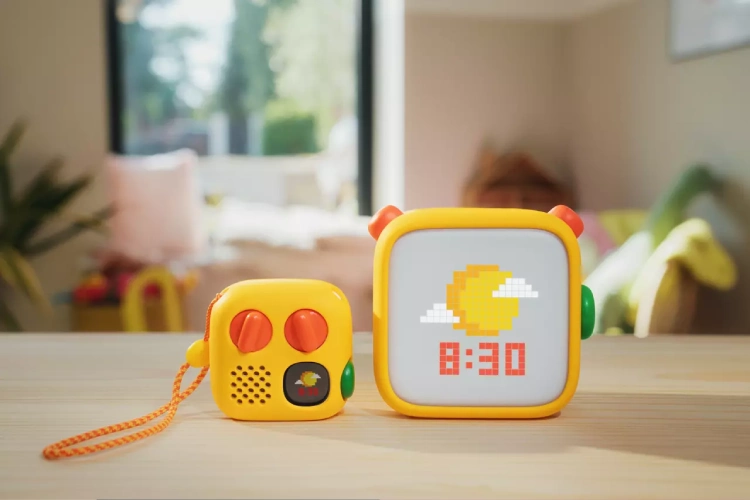
The Mini is built for portability — car rides, travel bags, sleepovers — while the Player is the better pick for a permanent spot in a bedroom, thanks to its bigger stereo speaker and more elaborate night light. If you’re deciding between the two full-size devices rather than the Mini, our Yoto Player 4th Gen vs 3rd Gen comparison covers the stationary player in more detail.
Is the Price Increase Worth It?
At $30 more than the 2024 edition, the new Mini is asking for a real premium, and not every buyer needs what it adds. Families who already keep their Mini in a stroller bag, diaper bag, or car door pocket will get the most obvious benefit from IP67 protection, since that’s exactly the environment where spills and splashes happen. Families who mostly use it indoors on a nightstand, where water exposure was never really a risk, are paying more mainly for extra storage, faster wireless performance, and the Green Button — all nice, none of them essential.
- Worth the upgrade for: travel-heavy families, kids who are rough on gadgets, anyone replacing a damaged or lost Mini
- Skip it for: households where the 2024 Mini already works fine and stays mostly indoors
Frequently Asked Questions
Is the Yoto Mini 4th Gen waterproof?
It’s IP67 rated, which means it’s dust-tight and can handle being submerged in up to one meter of water for about 30 minutes. That covers splashes and brief dunks, but it isn’t designed for swimming or extended water play.
Does it still have a headphone jack?
Yes. The 3.5mm jack is still there, and Bluetooth pairing has been added on top of it for the first time.
What age is the Yoto Mini made for?
Yoto certifies both the Player and Mini for ages 3 and up. Some retail listings show the Mini as suitable from age 0, but they still carry a choking-hazard caution for children under 36 months because of small parts and cords.
How does the battery life compare to the old Mini?
It’s slightly lower — up to 12 hours on the 4th gen versus up to 14 hours on the 2024 edition, likely a trade-off for the new water-resistant housing and updated wireless chips.
Final Verdict
The Yoto Mini 4th Gen is a meaningful redesign rather than a cosmetic refresh, and IP67 water resistance is the kind of feature that matters more the harder your family actually uses the device day to day. For anyone buying a Mini specifically for travel, daycare drop-offs, or a toddler who treats every gadget as a bath toy, the extra $30 is easy to justify. For a device that mostly sits on a nightstand indoors, the 2024 edition still does the job — just without the peace of mind if it ends up in a puddle.