
Patagonia doesn’t really need an introduction, it’s one of the most recognizable names in outdoor apparel, and also one of the more expensive ones in a category full of expensive options. The brand’s reputation rests on a specific combination: genuinely durable gear, an unusually generous repair program, and an environmental stance that’s shaped the whole outdoor industry’s marketing playbook. We looked past the brand halo to the actual products, pricing, and the warranty terms that are supposed to justify paying more than you would at a mainstream outdoor retailer.
Product | Price |
Nano Puff Jacket | $240 |
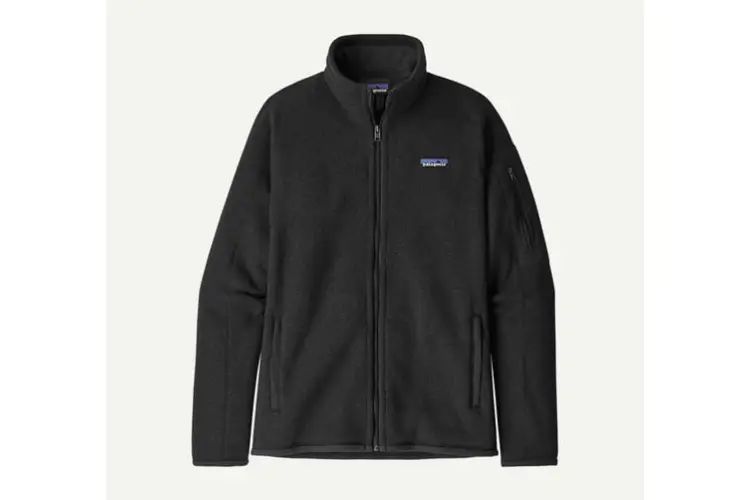
Better Sweater 1/4-Zip Fleece | $140 |
Down Sweater | $279 |
R1 Air Full-Zip Hoody | $179 |
Black Hole Duffel (55L) | $118 |
Ultralight Black Hole Tote Pack (27L) | $99 |
These list prices sit well above comparable pieces from brands like Columbia or The North Face in several categories, though Patagonia regularly runs seasonal sales that bring popular pieces like the Nano Puff down into the $160–$200 range. The Black Hole bag line in particular has built a following well beyond hardcore outdoor use, it shows up as an everyday gym bag and travel duffel as often as it does on an actual trail.
The Nano Puff uses 60-gram PrimaLoft Gold synthetic insulation, chosen specifically because it keeps performing when wet, unlike down, which collapses and loses warmth once soaked. The Better Sweater is built from a brushed fleece knit designed to resist pilling better than cheaper fleece, and the shell fabrics across the line are generally more tightly woven and more abrasion-resistant than what shows up in budget outdoor gear. None of this is marketing-only; independent gear reviewers consistently rank Patagonia’s core pieces at or near the top of their categories for durability, which matters more than it sounds once you’re comparing cost-per-year of actual use rather than sticker price.
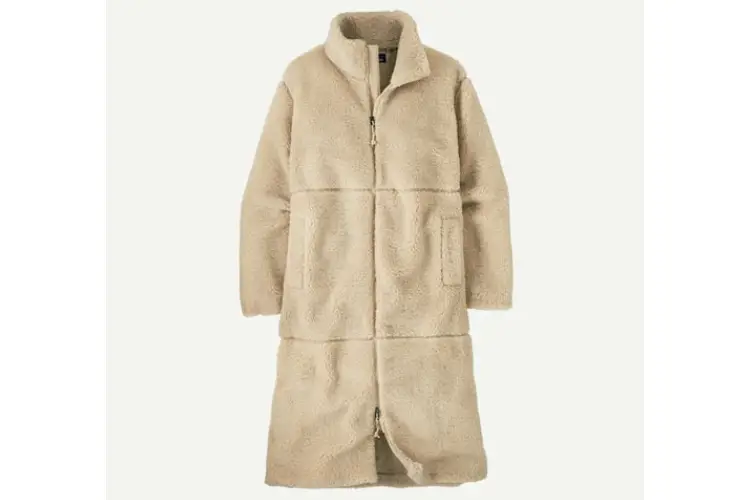
Patagonia’s warranty, branded the Ironclad Guarantee, covers manufacturing defects and genuine product failures with no stated time limit, Patagonia’s language is simply that it guarantees everything it makes. Normal wear and tear isn’t covered for free but can usually be repaired for a fee, and simple repairs like patching or zipper replacement are often handled free at Patagonia retail locations. More complex repairs go to a dedicated repair facility, with turnaround typically running 8 to 10 weeks, stretching to 12 weeks during peak season, which is a real wait worth planning around if you’re sending something in before a trip. The Worn Wear program adds another layer, letting you trade in used Patagonia gear for store credit, which is a genuinely unusual offering compared to most apparel brands.
Patagonia makes the most sense for people who genuinely use outdoor gear often enough that durability and repairability pay for themselves over several years, rather than buying a jacket that sees occasional weekend wear. If you’re comparing cost-per-wear rather than sticker price alone, the math tends to favor Patagonia for core pieces like the Nano Puff and Better Sweater, both of which show up repeatedly in long-term durability tests. It’s a weaker fit if you need gear for occasional use and would rather save money upfront with a mainstream brand, accepting a shorter expected lifespan in exchange.
For gear you’ll use regularly over years, the combination of durable materials and the Ironclad Guarantee’s repair program generally justifies the premium compared to budget alternatives that need replacing sooner. For occasional or seasonal use, the price premium is harder to justify.
It covers manufacturing defects and genuine product failures with no stated time limit. Normal wear and tear can usually be repaired for a fee rather than replaced for free.
Simple repairs like patching or zipper fixes are often handled free and quickly at Patagonia retail locations. More complex repairs go to a dedicated facility and typically take 8 to 10 weeks, up to 12 during peak season.
It’s a trade-in program where Patagonia accepts used gear you no longer want in exchange for merchandise credit, extending the value of the product even after you’re finished with it.
Patagonia’s premium pricing is easier to justify than most brands charging a similar markup, mainly because the Ironclad Guarantee and repair program back up the durability claims rather than just the marketing copy. Core pieces like the Nano Puff and Better Sweater consistently earn their reputation in independent testing, and the Worn Wear trade-in program is a genuinely unusual value-add most competitors don’t offer. The honest caveat is the same one that applies to any premium brand: it rewards frequent, long-term use, and it’s a harder sell if you only need gear for occasional trips. If you’re also weighing a trust-sensitive purchase in a different category, our Valinor Active review shows what it looks like when a newer brand hasn’t built that same track record yet.