
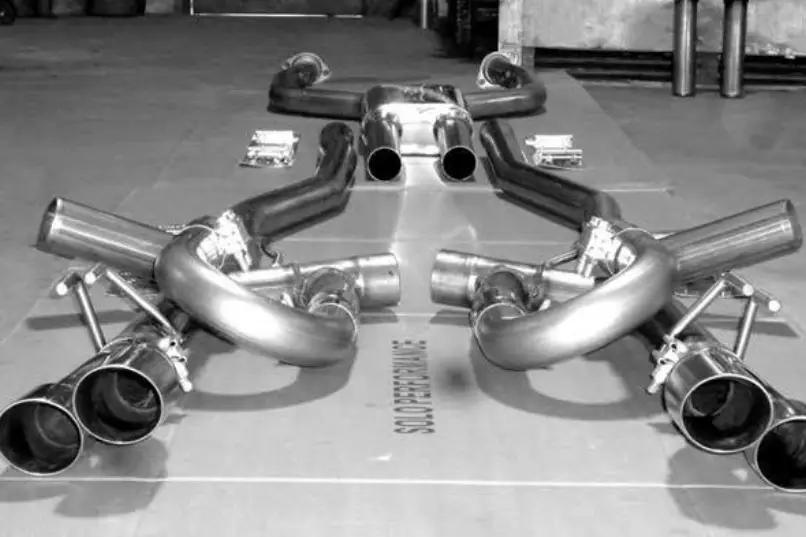
Solo Performance is an aftermarket exhaust manufacturer with a solid reputation among tuners for building systems around four specific things: sound, fit, craftsmanship, and real performance gains, not just a louder exhaust note. Its catalog covers cat-back systems for a wide range of platforms, Mustang, Camaro, Challenger, Charger, Hyundai Genesis, even niche fits like the Saturn Sky and Smart Car. We looked at what a system actually costs, what it’s made of, and how hard the install really is before you commit a few hours and over a thousand dollars to a weekend garage project.
Solo Performance builds cat-back and axle-back systems across a genuinely wide range of platforms, which is unusual for a brand this size. Confirmed fitments include the Ford Mustang GT (multiple generations), Chevrolet Camaro, Dodge Challenger and Charger, Hyundai Genesis Coupe, Saturn Sky Redline, and even the Smart Car, through center-exit exhaust kits that are a fairly unusual product for that platform. Each vehicle typically has multiple exhaust lines to choose from, Street-Race, Cyclone, and Mach-X3 among them, each tuned for a different balance of sound and flow.
Spec | Detail |
Product | Mach Cat-Back Exhaust |
Fits | 2011–2014 Ford Mustang GT |
Price | $1,199.98 |
Materials | Stainless steel throughout, polished stainless tips |
Tubing | 3.00″ diameter |
Included | Mach-X3 muffler, 2 exhaust pipes, 2 J-pipes, 2 tips, install hardware |
That $1,199.98 price point is representative of a full cat-back system for a V8 platform; smaller or axle-back-only setups on other vehicles typically run less. A military, medical, or first-responder discount of around $60 is available through some retailers’ rewards programs, which is worth checking before paying full price.
Every Solo Performance system is built entirely from stainless steel, not just the visible tips, the welds, O2 sensor bungs, flanges, and hangers are stainless too, which is a meaningfully more durable approach than systems that mix in mild steel for the non-visible sections. That full-stainless construction is a big part of why the brand has built real credibility with tuners and enthusiasts rather than just budget shoppers looking for a cheap sound upgrade.
A typical cat-back system is a bolt-on install, no welding required, and runs about two hours with light to moderate mechanical skill. That’s realistic for someone comfortable with basic garage work and the right tools, but it’s not a five-minute job either, and not every listing includes a detailed install guide, so it helps to have some general exhaust-install experience or a knowledgeable friend before diving in solo for the first time.
The three main product lines aren’t just different names for the same part, they’re genuinely tuned for different goals. Street-Race systems lean toward a louder, more aggressive note built for enthusiasts who want their car to sound the part at a cruise night or track day. Cyclone systems split the difference, a noticeably deeper tone without quite the same drone on the highway. Mach-X3, the line used in the Mustang example above, is generally positioned as the most refined of the three, still clearly upgraded over stock, but tuned to stay livable on a long daily commute. Picking between them matters more than picking a vehicle fitment, since two owners of the identical car can end up with very different exhaust notes depending on which line they chose.
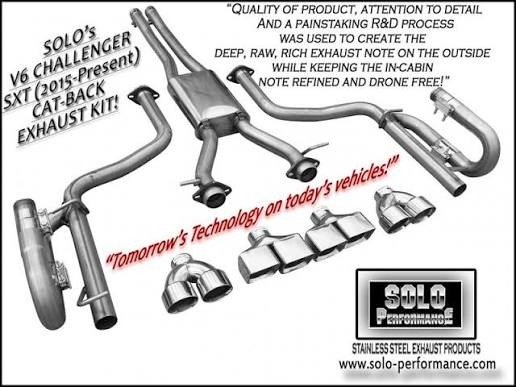
This is built for enthusiasts who already know they want a more aggressive sound and some real flow gains, not someone just looking for the cheapest way to make their car louder. If you’re comfortable with a weekend bolt-on install, or willing to pay a shop for an hour or two of labor, and you’re buying for a platform Solo Performance actually supports, it’s one of the more credible names in the space. It’s a weaker fit for anyone on a tight budget, since a full system is a four-figure purchase on most V8 platforms.
Yes. It’s recognized among tuners and enthusiasts for full stainless steel construction and attention to fit and sound tuning, rather than being a budget, no-name option.
It varies by vehicle and system, but a full cat-back system for a V8 platform like the Mustang GT runs right around $1,200. Axle-back-only systems or smaller platforms are generally cheaper.
Most cat-back systems are a bolt-on install taking roughly two hours, suited to someone with light to moderate mechanical skill. It’s not an advanced job, but a detailed install guide isn’t always included, so some general exhaust-install familiarity helps.
Product listings typically note a “limited warranty” without stating the exact term or what it covers. It’s worth confirming the specific coverage with the retailer before purchase if warranty terms are a deciding factor for you.
Solo Performance earns its reputation with genuinely full stainless steel construction and a wider vehicle lineup than most competitors bother supporting, covering everything from mainstream muscle cars to niche platforms like the Smart Car. The price is real, a full cat-back system is a four-figure investment on most V8 platforms, and the vague warranty language on product listings is worth clarifying before you buy. For an enthusiast who wants a durable, well-built exhaust upgrade and is comfortable with a weekend install, it’s one of the more credible names in the aftermarket space. If you’re putting the same care into other big-ticket purchases, our Thuma Bed Frame review covers another investment built around paying once for something that lasts.