
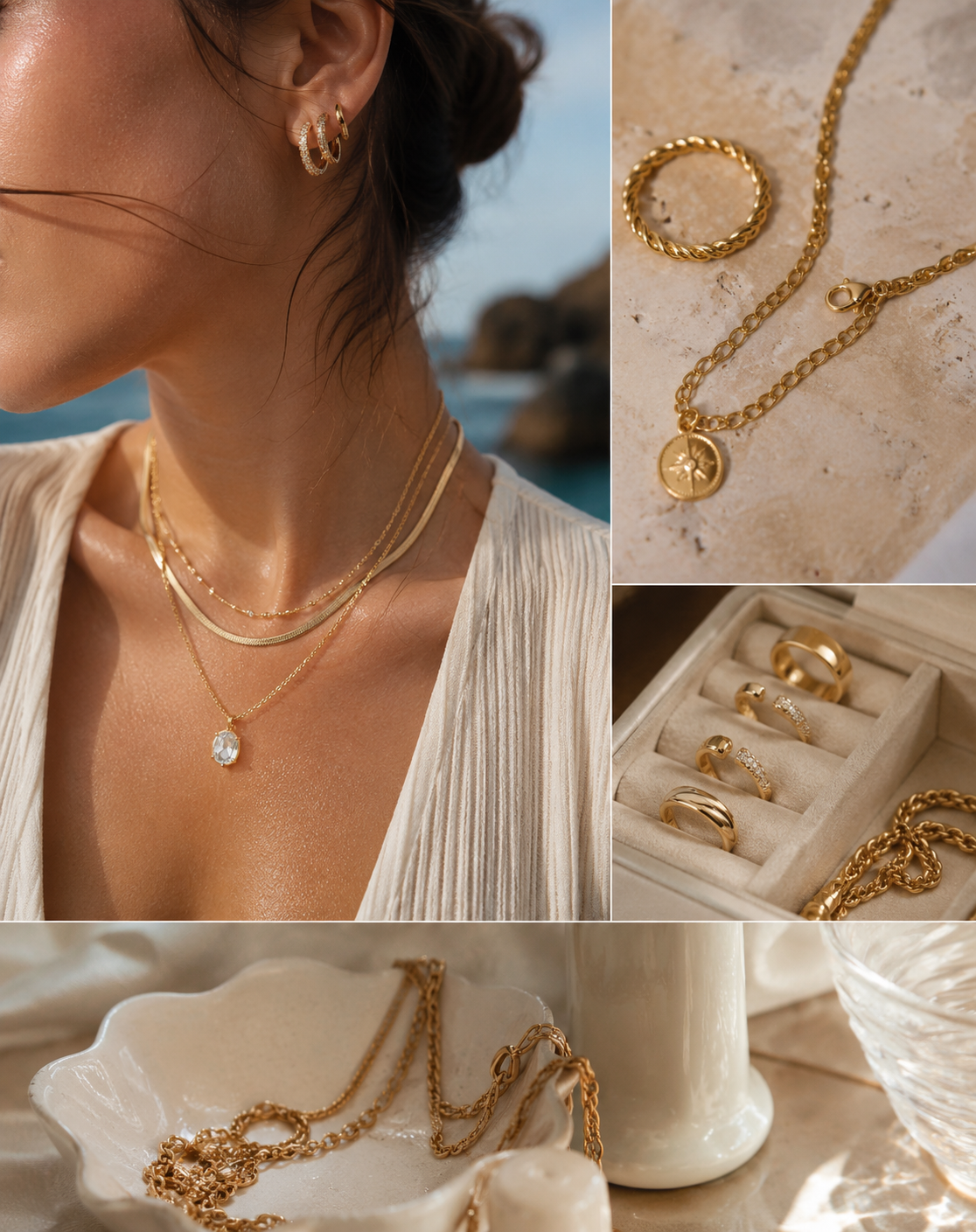
Two questions keep coming up about Atolea, and they’re not quite the same question, even though people ask them in the same breath.
“Is Atolea legit?” is about whether this is a real company that ships real jewelry and honors its policies — a legitimacy question.
“Is Atolea worth buying?” is about whether the product is actually good once it arrives — a value question.
You can answer yes to the first and still answer “depends” to the second. That’s roughly where we landed after going through Trustpilot’s 12,500+ verified reviews, independent Australian buyer complaints, long-term personal wear tests, and the brand’s own published policies.
Here’s the evidence, broken down by the actual question being asked.
Is Atolea Legit?
Short answer: Yes. Atolea is a real, operating company — not a scam, not a dropshipping front that disappears after taking your money. But “legit” covers more ground than just “will my order arrive,” and a few specific findings are worth knowing.
Does Atolea actually ship real products?
Yes. The overwhelming majority of the 12,500+ verified Trustpilot reviews and the additional reviews on independent platforms like ProductReview.com.au describe real jewelry arriving, generally matching the product photos. Multiple long-term wearers — including one detailed account spanning more than two years of continuous wear — confirm the product is a genuine physical item with real, identifiable material properties (316L stainless steel base with PVD plating), not a misrepresented or counterfeit good.
Is the company financially stable enough to honor its policies?
Generally yes, with one specific documented exception worth flagging. Atolea’s customer service team is repeatedly and specifically praised by name (Kristine, Daryna appear in multiple separate reviews) for processing replacements quickly — in one case, a replacement for a broken anklet was confirmed within an hour of the complaint. This is not the pattern you see from companies that are winding down or unable to fulfill obligations.
The exception: a documented account on ProductReview.com.au describes initial responsiveness on a faulty product (replacement earrings sent without issue) followed by a refusal on a second, identical fault from the same order — citing a 90-day coverage window. That’s not evidence of illegitimacy. It’s evidence that the “lifetime warranty” language in Atolea’s marketing has practical limits that don’t always match buyer expectations, particularly for non-color faults like loose gems.
Is the shipping legitimate?
Mostly, with one specific complaint pattern worth knowing. Atolea ships internationally, including from facilities associated with their courier partner iMile. One detailed account describes a $100 order that never arrived, with extended back-and-forth between Atolea and the courier before a refund was eventually processed — the buyer specifically describes the courier as “not legitimate” in terms of communication and delivery reliability, while crediting Atolea itself with processing the refund “very quickly” once pushed.
The legitimacy verdict: Atolea is a real business with a real product and generally responsive customer service. It is not a scam in the way that term usually gets used online. Its specific weak points — courier reliability on a subset of orders, and warranty language that’s more limited in practice than “lifetime” suggests — are legitimate operational criticisms, not evidence of fraud.
Is Atolea Worth Buying?
This is the harder question, because the honest answer is genuinely conditional on what you’re buying, not just whether you should buy from this brand at all.
Worth buying: Simple, non-gem stainless steel pieces
The strongest, most repeated, most specific evidence in Atolea’s favor concentrates here. A three-month personal wear test — gold shell necklace, thin ring, classic mini hoops, worn continuously through HIIT classes, showers, and ocean swims, never rinsed off afterward out of “part laziness, part curiosity” — reported zero discoloration, zero green marks, zero reaction with sweat or sunscreen.
A separate two-year wearer makes essentially the same claim with more time behind it: sweat, sunscreen in humid climates, unrinsed ocean swims, careless travel handling tossed into bags with keys and lip balm — and the pieces “still look almost new.”
Multiple Trustpilot reviewers echo this specifically for simple chain and band styles: “I have never taken them off and they have not tarnished at all — pool, shower, ocean!”
Verdict on this category: worth buying. The PVD plating claim holds up across a meaningful volume of independent, long-duration evidence.
Worth buying with caution: Gem and stone-embellished pieces
This is where the evidence turns genuinely mixed, and the pattern is specific enough to be useful rather than just anecdotal. Two separate, independently sourced complaints describe the exact same failure mode: stones falling out of embellished earrings and rings within a matter of months, sometimes unnoticed until the piece was removed for cleaning. One buyer lost gems from both a moon and star charm on one earring style; a separate buyer lost stones from two different pieces ordered in the same transaction.
Verdict on this category: worth buying only if you go in informed. Photograph the piece on arrival, check it periodically, and understand that the gem-retention issue appears to be a genuine, repeatable manufacturing pattern rather than isolated bad luck — which also means a warranty claim is more likely to be needed, and more likely to run into the 90-day-versus-lifetime conflict described above.
Worth buying if: you're buying for an active, water-exposed lifestyle specifically
The brand’s actual value proposition — jewelry that survives swimming, sweating, and showering — is the use case where the evidence is strongest. If your previous costume jewelry experience has been “ruined within a month because I never take it off,” Atolea’s simple pieces specifically target and appear to solve that problem for most buyers.
Worth buying less if: you're buying primarily for tarnish-proof gifting or expect true fine-jewelry quality
A documented minority of buyers describe tarnishing that occurred even on pieces that were never worn — discoloration in storage, not from use. This is a smaller but real pattern, and it’s specifically frustrating for gift purchases where the recipient may not even get a chance to test the durability claim before the color has already shifted. One detailed account describes spending over $300 and finding several pieces had darkened before they were ever taken out of the box.
If you’re choosing jewelry specifically as a gift where you won’t be present to manage a potential warranty claim on the recipient’s behalf, that’s a real risk factor worth weighing — particularly since exchanges and returns in several documented cases required the recipient to personally arrange and pay for return shipping, even when the return address was geographically close.
So — Legit, and Worth Buying?
Is Atolea legit? Yes. It’s a real company, the product is real, the customer service team is responsive and frequently praised by name, and the complaints that exist are about specific policy limitations and a subset of shipping/courier issues — not fraud.
Is Atolea worth buying? Yes, specifically for simple stainless steel pieces bought for an active, water-exposed lifestyle. More conditionally for gem-embellished pieces, where you should go in expecting to monitor the piece and potentially need a warranty claim. Less confidently for gifting, where the “lifetime warranty” safety net is less reliable in practice than the marketing language implies, and where you won’t be there to manage any issues that come up.
The single most useful thing you can do before ordering: decide which category your intended purchase falls into, and calibrate your expectations — and your willingness to document the order on arrival — accordingly.
FAQs
Is Atolea a scam?
No. It’s a real, operating jewelry company with a large, mostly positive verified review base and responsive customer service. Documented complaints relate to specific product categories and policy limitations, not fraudulent business practices.
Why do some Atolea reviews say the jewelry tarnished?
A documented minority of buyers — particularly with gem-set pieces, and in a smaller number of cases with simple pieces too — report tarnishing despite the brand’s PVD-plating and lifetime color warranty claims. The majority of long-term wear accounts for simple, non-gem pieces report no tarnishing at all.
Does Atolea actually honor its lifetime warranty?
For color-related faults, yes, based on multiple documented replacement cases. For other fault types (like loose gems), at least one case shows the company applying a 90-day coverage window in practice rather than treating the issue as covered indefinitely — confirm the specific terms for your fault type before assuming unlimited coverage.
Is Atolea good for sensitive skin?
Most buyers report no issues with the 316L stainless steel base. At least one detailed account describes a skin reaction within 24 hours of wear — if you have a history of jewelry sensitivity, patch test briefly before committing to continuous wear.
Should I buy Atolea as a gift?
Proceed with more caution than a personal purchase. The documented return shipping requirements (often falling on the recipient) and the storage-tarnishing pattern in a minority of cases make gifting a slightly higher-risk use case than buying for yourself.
Final Verdict
Atolea clears the legitimacy bar clearly and comfortably — this is a real company that ships real, generally well-made jewelry and backs it up with customer service that’s repeatedly singled out by name for being fast and personal.
The worth-buying question has a more nuanced answer: yes for the simple, everyday stainless steel pieces that represent the brand’s core strength, and yes-with-caveats for the gem-embellished styles and gift purchases where the documented exceptions concentrate. Buy accordingly, and you’re very likely to land in the satisfied majority rather than the frustrated minority.